Why is the Michelin guide dropping its Green Star?
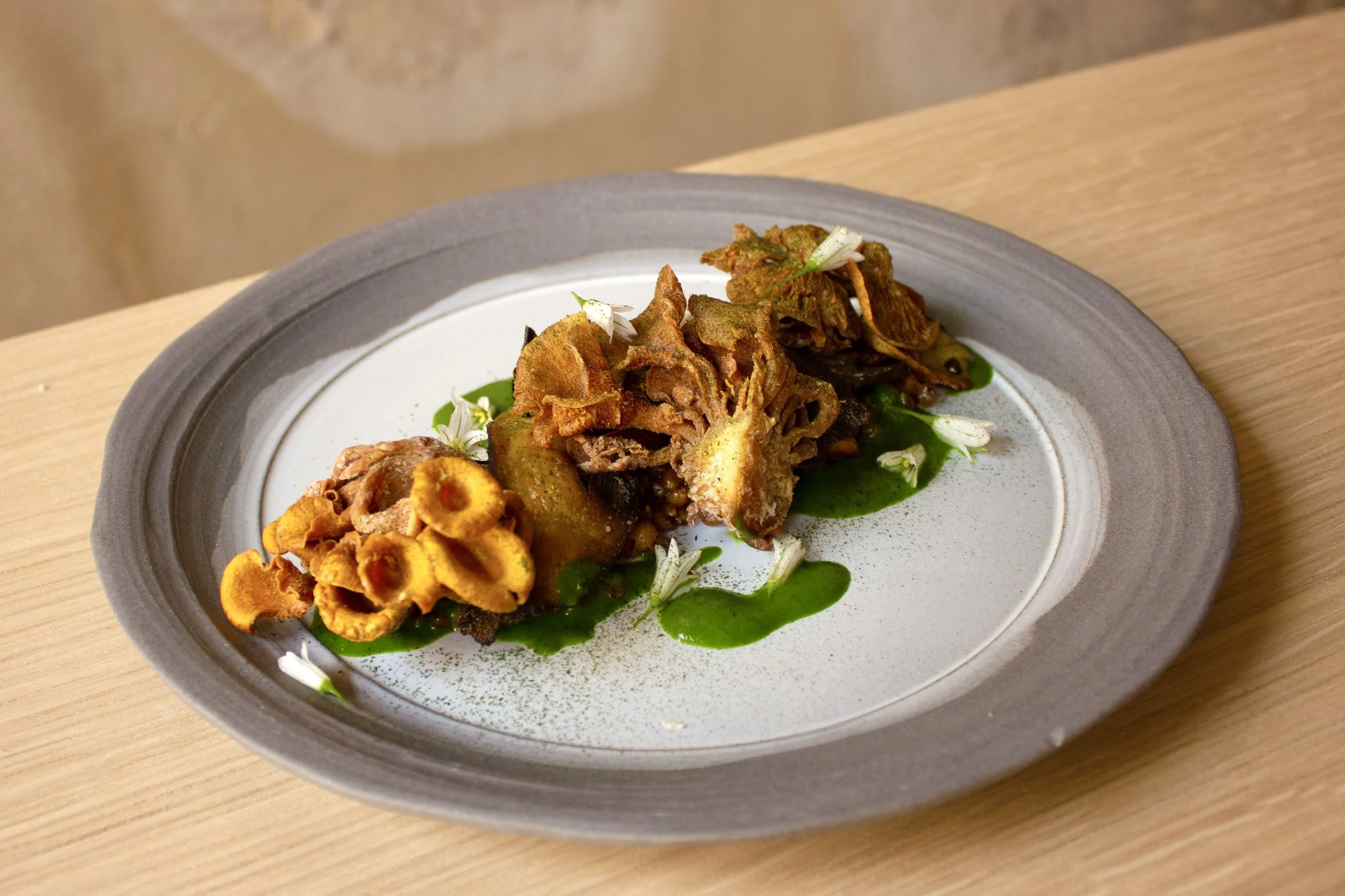
Summer oyster & black pearl mushrooms with flanders wheat and wild garlic at Green Michelin-starred Apricity in London
The climate movement sometimes feels like a ruse of roundabouts. What may seem like progress – such as the Paris accord agreeing to reverse warming to 1.5°C – can swing back around when the largest player, namely the US under Trump, pulls out. While in recent years companies have put their necks out to display the good measures they are taking, greenwashing crackdowns found several eco pledges to be little more than smoke and mirrors. So is the Michelin guide merely backtracking like so many players in the sustainability game, by withdrawing its well-known Green Star?
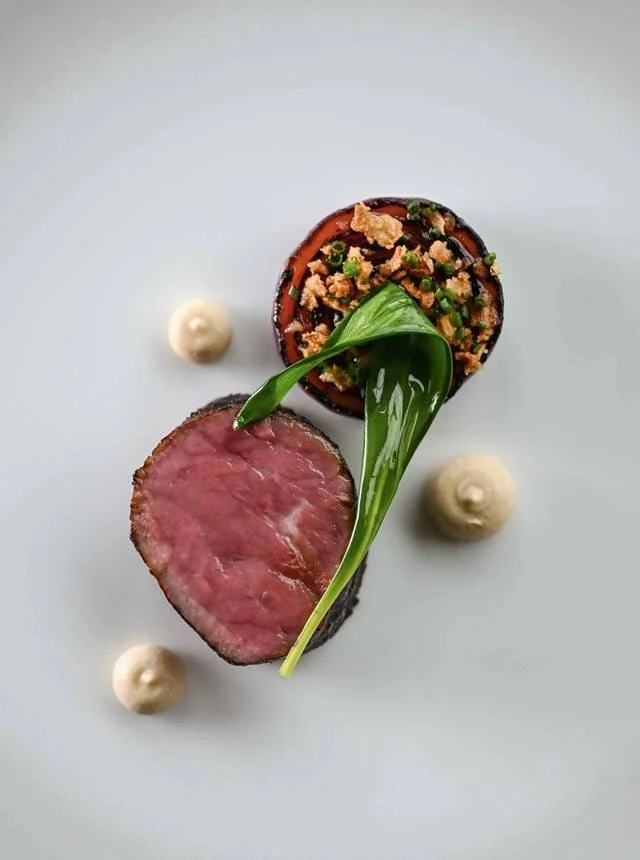
1887 at The Torridon in Achnasheen was awarded a Green Star in 2026
After only launching the award in 2020, Michelin – more widely known as a tyre conglomerate that dishes out sought-after culinary accolades – recently announced the discontinuation of its environmentally minded star. Rather than a great shock to the dining scene, the news confirmed rumours which surfaced several months ago, when food writer Nicholas Gill spotted the quiet removal of Green Stars from the guide’s website. The tyre company firmly denied this at the time, leading some to suspect the denial was simply a placeholder while a replacement was assembled.
That substitute is a new editorial strand across its website and app – namely Mindful Voices – whose open wording around covering “pioneering new approaches in the fields of gastronomy, hospitality and wine” leaves Michelin’s environmental commitments decidedly vague. What’s certain is there will be no badges of honour for a restaurant’s forward-thinking ways. This comes as a blow to many progressive restaurants that had already been awarded a Green Star, or were striving towards one – with the award giving many a great incentive to tackle everything from single-use plastic to food waste.
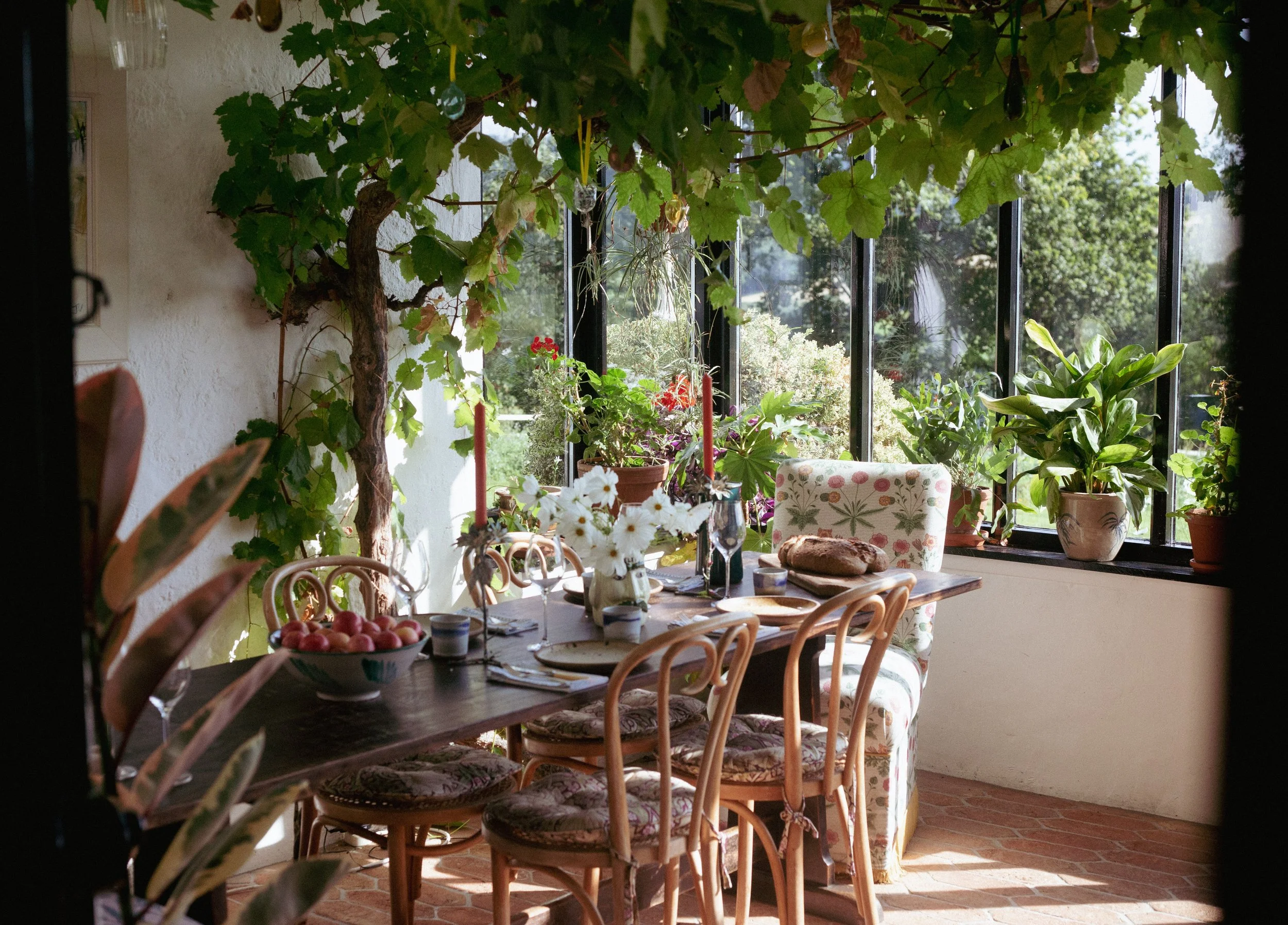
Glebe House’s dining room in Devon
David Knapman, Head Chef at Glebe House in Devon, a Green Star recipient just a few months ago, stated it "felt like really great recognition for the team and everything we've tried to achieve up to this point. We were obviously disappointed to hear the Green Star is being removed, but at least we can say we won one whilst we had the chance." While the hope is these restaurants continue their good work, the absence of external scrutiny leaves them answerable entirely to themselves.

The spectacular Green Michelin-starred 1887 in The Highlands
That prompts the deeper question: was it ever really the tyre company’s place to judge? In hindsight, the reasons for scrapping the star are easier to understand. While seeking out immaculate settings with an orchestra of charming waiters serving up beautifully composed dishes is a fairly contained affair, what happens beneath the spectacle is much more clouded. Rather than an inspector touring out to the field or scouting out all corners of the kitchen, Michelin relied on restaurants to complete questionnaires about their own practices – which raises an eyebrow or two over the potential for restaurants to overindulge on their planetary activities.
Michelin inspectors are not sustainability professionals, with no clear training or consistent critiquing parameters, so questions lingered over the fairness on who received a green accolade and who did not. Juliane Caillouette Noble, CEO of Sustainable Restaurant Association, candidly told SPHERE: “The fact of the matter is that the Green Star was never designed or positioned to deliver real change in our industry through tangible, transparent or ongoing action.”
She continued, “We believe that rather than interpreting the loss of the Green Star as a move away from diner interest in sustainability, we should see this as an important shift towards an era of greater accountability. Sustainability is no longer a mere ‘nice to have’; now and into the future, restaurants will need to deliver real, measurable change.” There is the hope that ethical practices will be woven into the main accolade rather than siloed off, with Michelin stating its “ambition is evolving towards a broader and more universal expression”. Yet there is little definitive proof this will be the case.
So while the guide seemingly stepped back, the appetite for accountability in gastronomy has never been stronger. The question now is not whether sustainability matters to diners – it plainly does – but who, if anyone, has the rigour and authority to hold such an epicurean world to account.